Verify GST Online Explained: How to Identify Invalid or Fake GST Numbers
Published On: Jan 27, 2026 • Last Updated: Apr 7, 2026 • 5 min read
Fake or inactive GST numbers can quietly expose businesses to tax risk, denied input credit, and compliance notices. This guide explains how to GST verify online using the official portal, check supplier registration status, and identify invalid GST numbers before transactions occur. It covers GST number structure, verification steps, name-based search options, and common red flags businesses should watch for. Regular verification helps prevent fraud, protects ITC claims, and ensures smoother GST compliance for growing businesses.
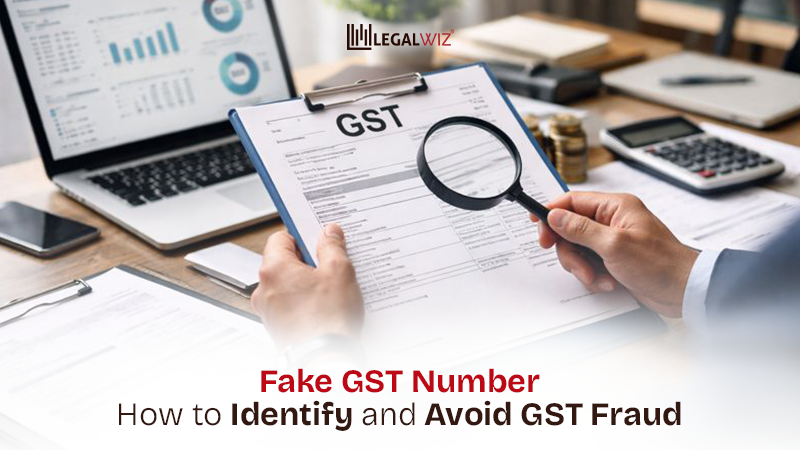
GST fraud does not always involve forged documents or shell companies. In most cases, it begins with something far simpler. A GST number printed on an invoice that looks genuine but is either fake, inactive, or cancelled.
For businesses that deal with multiple vendors, this small oversight can create serious problems. Input tax credit may get blocked. Compliance ratings can suffer. In some cases, tax notices follow even when mistake was unintentional.
This is why learning how to do GST verify online has become a basic compliance step for every business, not just large enterprises. Whether you are validating a supplier or planning to register your GST, early verification helps ensure your transactions begin on right side of compliance.
What is a GST Number
A GST number, also known as GSTIN, is a 15-character identification number issued to registered taxpayers in India.
If you are unfamiliar with how a GST number is issued or who needs one, this guide on how to get a GST number online explains registration process in detail.
Each part of GST number carries specific meaning:
- The first two digits represent state code
- The next ten characters are linked to PAN
- The thirteenth digit shows number of registrations under same PAN
- The fourteenth digit is usually “Z” by default
- The final character acts as a system-generated check code
If even one digit is entered incorrectly, GST number becomes invalid, which can affect invoicing, tax credit eligibility, and overall compliance.
Why Fake GST Numbers Are a Growing Risk
Fake GST numbers usually fall into three categories.
Some numbers are completely fabricated. Others once existed but were later cancelled. In many cases, businesses continue using inactive GSTINs long after registration suspension.
The risk does not stop with seller.
If you purchase goods or services using an invalid GST number, tax department may deny your input tax credit. Even genuine transactions can come under scrutiny if supplier details do not match portal records.
This makes routine verification essential, especially before onboarding new vendors.
How GST Verification Online Helps Businesses
The GST portal allows real-time verification of registration details. With one search, you can confirm:
- Legal business name
- Registration status
- Type of taxpayer
- Date of registration
- State jurisdiction
Using GST verify online ensures that your invoices are backed by active registrations and compliant suppliers.
It takes less than a minute but can prevent months of tax disputes.
Step-by-Step Process to Verify a GST Number
The official GST portal provides a free and reliable method to confirm whether a GST number is valid. The process is quick and does not require login credentials. You can also refer to this detailed guide on GST verification online for a deeper understanding of the process and common verification issues.
Step 1: Visit the GST portal
Open official Goods and Services Tax website using your browser.
Step 2: Go to the Search Taxpayer section
On the homepage, locate “Search Taxpayer” option from main menu.
Step 3: Select Search by GSTIN/UIN
From dropdown options, choose “Search by GSTIN/UIN.”
Step 4: Enter the GST number
Carefully type complete 15-digit GST number exactly as mentioned on invoice or supplier document.
Step 5: Complete the captcha and submit
Enter captcha code displayed on screen and click Search.
Step 6: Review the registration details
The portal will instantly display the taxpayer’s information, including legal business name, registration date, business type, and current GST status.
Step 7: Check the registration status
If the status shows Active, GST number is valid for business transactions. If it appears as Cancelled, Suspended, or Inactive, using that GSTIN may lead to input tax credit denial and compliance issues.
Including this GST number verification step in your routine accounts process helps reduce tax risk and ensures vendor details remain compliant.
How to Verify GST Number Using Business Name
Sometimes vendors share only business name and not GST number. In such cases, you can still perform a check.
The GST portal allows search using taxpayer’s legal name. This process is commonly referred to as GST no verify by name.
You can enter registered business name and state. The portal will display matching GST numbers linked to that entity.
This method is useful when onboarding vendors, verifying old records, or cross-checking invoice data.
Common Signs of a Fake or Invalid GST Number
Even before checking portal, certain warning signs deserve attention.
- Invoices may show spelling errors in legal name
- The GST number may not match supplier’s state
- The registration date may appear recent for an older business
- The vendor may avoid sharing GST certificates
Whenever doubt arises, always verify GST number directly on portal instead of relying on documents or screenshots.
What Happens If You Use a Fake GST Number?
Using an invalid GST number can trigger multiple issues:
- Input tax credit may be reversed
- Interest and penalties may apply
- Returns may require revision
- Supplier compliance scores can affect your filings
The law does not distinguish between intentional fraud and negligent verification. Responsibility ultimately rests with buyer.
That is why routine checks are safer than post-notice explanations.
Best Practices to Avoid GST Fraud
A few habits can reduce risk significantly and avoid getting fake GST number.
- Verify GST numbers before first payment
- Recheck long-term vendors periodically
- Match invoice details with portal data
- Avoid manual entry errors in accounting systems
- Keep screenshots or verification records for audit support
Consistent GST number verification builds a clean compliance trail and protects your tax position.
Conclusion
GST compliance does not fail because businesses ignore law. It fails because small checks get skipped during daily operations.
Taking one minute to GST verify online can prevent denied tax credits, audit stress, and avoidable penalties. Whether you are dealing with new suppliers or reviewing existing ones, verification should never be optional.
Our team at LegalWiz helps businesses stay ahead of such risks by offering structured compliance support, GST registration, and expert guidance. When compliance runs quietly in background, businesses are free to focus on growth without second-guessing every invoice.
Frequently Asked Questions
What is GST verification online?
It is process of checking GST registration details through the official GST portal using GSTIN or business name.
Can I do GST number verification for free?
Yes. The GST portal provides this service without any charges.
How often should I verify GST numbers?
You should verify before onboarding a vendor and periodically for long-term suppliers.
Is verify GST number mandatory for claiming ITC?
While not mandatory by law, verification helps ensure GST number is active and eligible for input tax credit.
Can I perform GST no verify by name if I don’t have GSTIN?
Yes. The portal allows searches using registered business name and state.
What should I do if a GST number shows cancelled?
Avoid transactions under that GSTIN and ask supplier for updated registration details.

Sapna Mane
Sapna Mane is a skilled content writer at LegalWiz.in with years of cross-industry experience and a flair for turning legal, tax, and compliance chaos into clear, scroll-stopping content. She makes sense of India’s ever-changing rules—so you don’t have to Google everything twice.